Ultratrail Training at Night—Is It Worth It?
Depending on the distance, you’ll be out and about at night during an ultra-hike or ultra-run. That’s why you may have already asked yourself whether it makes sense to train at night—and perhaps even hike or run through the entire night. In this article, you’ll find what you should keep in mind when training at night, as well as my recommendations and tips based on numerous night hikes and runs:
Test Your Gear Before the Race
Before your ultra, you should definitely test your gear in advance. This is especially true for your headlamp(s). It’s best to bring not just one, but at least one spare headlamp as well as spare rechargeable or disposable batteries. I’ve been using the Petzl Actik Core headlamp for years because the rechargeable battery charges quickly, but I can use the headlamp with regular batteries in the meantime.
To test how long your headlamp lasts, though, you don’t necessarily have to be out at night. Tip: Many pros simply leave their headlamp on during the day a few days before their race and note how long the lamp lasts in each mode.
Overcoming Fears: Being Out at Night (Alone)
Being out in nature at night can be scary at first—especially if, like me, you watched too many horror movies as a teenager. That’s why it makes perfect sense to face this fear before an ultra race. Plus, this way you’ll practice navigating at night and learn how your headlamp or trekking poles, for example, can help you.
If you find it too scary to go out alone, ask some friends if they’d like to come with you. These days, I often go out alone at night, too. Sometimes I do feel a little anxious, but I know there’s really no reason to be. Statistically speaking, women are far more likely to be killed by a partner or family member than to be killed at night in the wilderness by an animal or a murderer with an axe.
Be Mindful of Nature and Animals
Many animals in nature and in the mountains are nocturnal. Therefore, it’s best not to train in nature reserves, and be sure to check for any restrictions before your training session. If you’re out at night, try to be as quiet as possible (as long as you’re not in bear country). It’s best to go alone or in a small group. Also, make sure not to set your headlamp to the brightest setting, as long as the terrain allows it.
Know Your Own Body
Anyone who works night shifts, stays up all night partying every now and then, or has ever experienced jet lag knows the feeling: the next day, you’re often completely wiped out and need at least a full day to recover. So think carefully about whether you really want to run or hike through the entire night—and whether you want to put your body and those around you through that.
Simulate Your Race Start Time
Depending on whether your ultra race starts early in the morning or later in the evening, do at least one training session at a similar start time. And it’s best to test your nutrition strategy at the same time. Make a note of how long before the start you ate something, how you feel, what you ate, etc. This way, you can optimize everything for your race.
Enjoying the Peace and Quiet of the Night
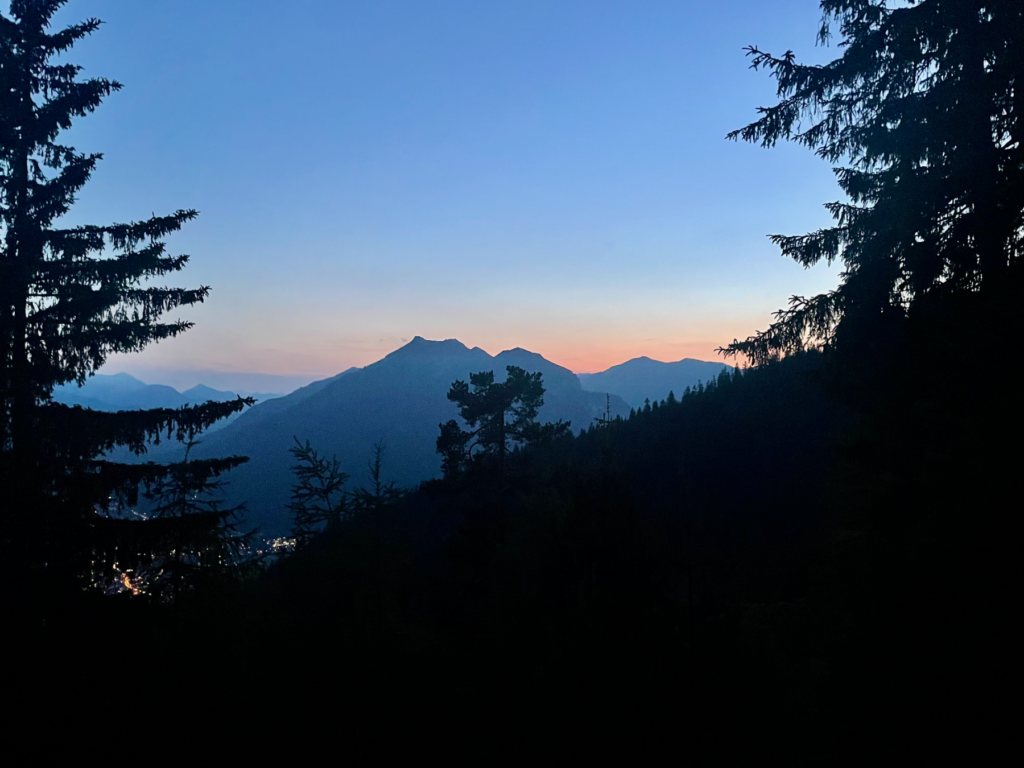
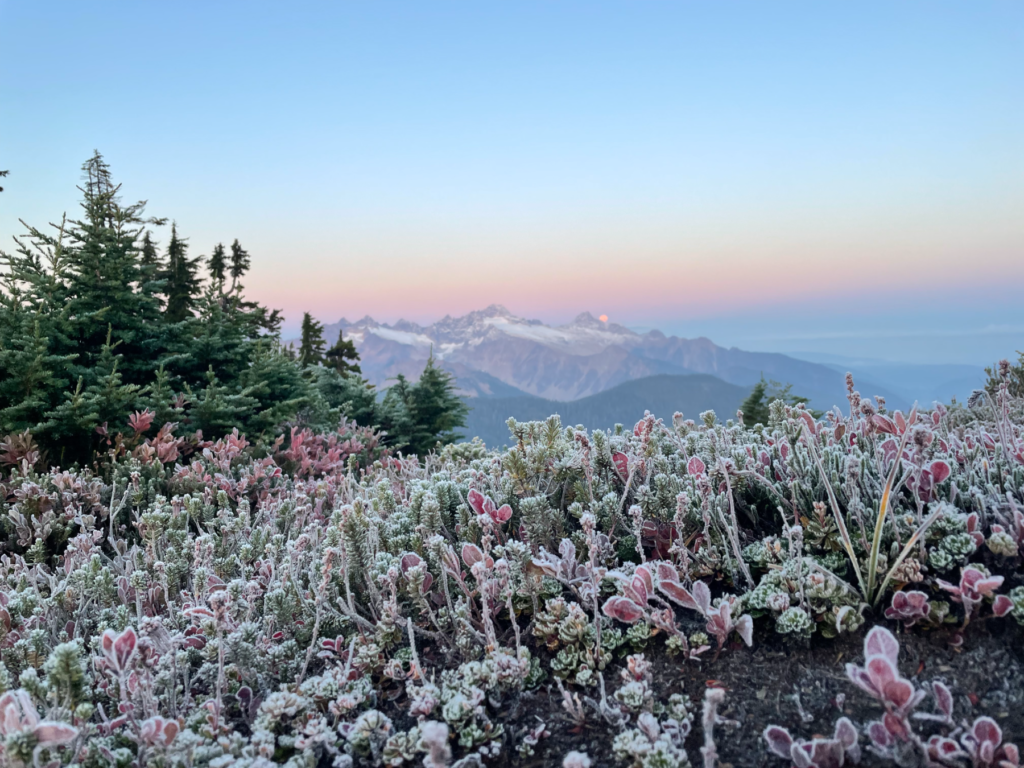
In my opinion, the peace and quiet—and those amazing moments—are what really make training at night, late in the evening, or early in the morning so worthwhile. If you’ve ever had the chance to enjoy a sunrise or sunset from a mountain peak, you might know exactly what I’m talking about. These moments are simply indescribably beautiful, and even many professional athletes say that the sunrise, in particular, is always a very special moment during their races.
If your schedule allows, you can also plan your night training for special nights. On a full moon, you often don’t even need a headlamp and can run by natural light. Or you can pick nights when you can watch shooting stars during your breaks. Around the summer solstice, many areas have bonfires on mountain peaks.