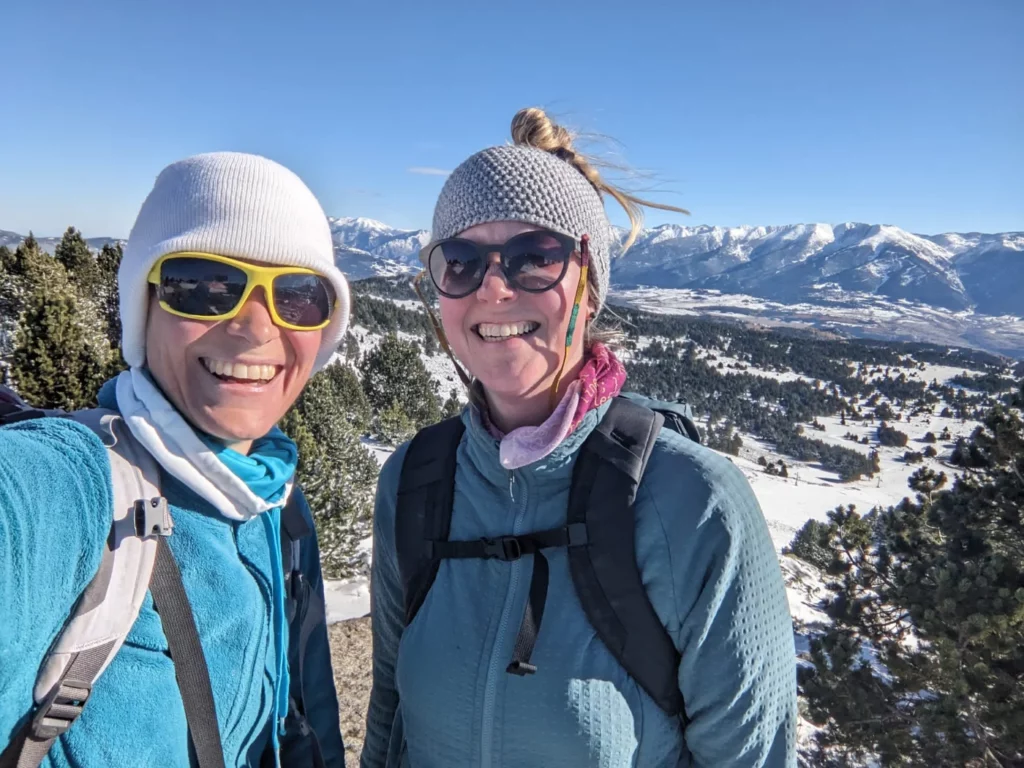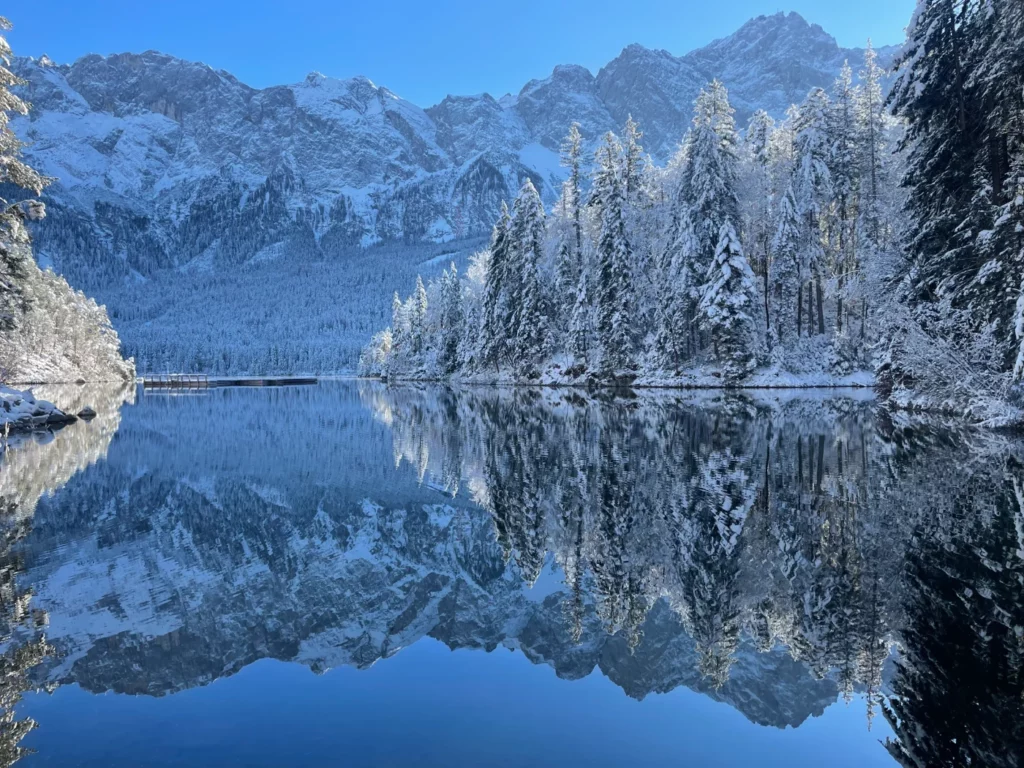
Winter Mountain Hiking for beginners
Tips & Tricks for a safe hike
Summary: 5 Tips for Winter Hiking
- Clothing: Pack extra layers to avoid getting cold during the hike.
- Footwear & Equipment: Wear waterproof boots and, if hiking in mountainous areas, remember to bring crampons or. spikes.
- Route Selection: Opt for simpler and shorter trails during winter.
- Weather: Check the weather forecast and avalanche risk beforehand, and be mindful of shorter daylight hours.
- Food & Drinks: Carry warm beverages and sufficient food for the journey.
- Safety: Accidents and improper equipment can have severe consequences in winter. Therefore, assess your skills and gear, as well as those of your hiking companions, before setting out.
Winter Hiking Gear and Clothing
It’s crucial to be properly equipped for winter hikes. Bringing extra clothing and gear can prevent uncomfortable situations.
Layered Clothing
-
Base Layer: Start with a comfortable base layer; merino wool is recommended as it retains warmth even when damp.
-
Insulating Layers: Add breathable jackets, with at least one insulating layer made of fleece or down, depending on the temperature.
-
Outer Layer: Wear a waterproof jacket to protect against snow. Ensure it has underarm ventilation zippers to regulate body temperature during strenuous uphill sections.
-
Additional Items: Bring a headband or hat and gloves to protect your head and hands.
-
Extra Clothing: Pack spare clothes if you plan to take breaks during the hike.
Suitable Footwear for Winter Hiking
- Boots: Waterproof hiking boots that cover the ankles are recommended.
-
Gaiters: To prevent snow from entering your boots, consider wearing gaiters.


Snowshoes
In areas with deep, unplowed snow, snowshoes are beneficial. They attach to your hiking boots and prevent sinking into the snow. Many places offer snowshoe rentals for beginners. Before setting out, check the avalanche risk and choose a route that matches your experience level.
Additional Gear for Your Backpack
-
Crampons/Spikes: These provide traction on icy paths, offering a secure grip on ice and snow. Consult a specialty store to find the right fit for your boots and hiking plans.
-
Gaiters: Useful for keeping snow out of your boots, ensuring dry feet.
-
Headlamp: Due to shorter daylight hours, carry a charged headlamp along with spare batteries or an extra battery pack.
-
Power Bank: Cold temperatures can drain electronic devices quickly; a power bank can be handy.
-
First Aid Kit: Essential for any hike; consider adding an extra emergency blanket or, preferably, a bivy sack for added safety.
-
Trekking Poles: Equip them with larger snow baskets to prevent sinking into the snow. They also reduce knee strain during descents and help prevent falls.
Route Selection and Safety in Winter Hiking
Choose your winter hiking route carefully, favoring simpler and shorter trails. Even easy trails can become hazardous with snow and ice if you’re not properly equipped or experienced. Allocate extra time for hiking in snowy or icy conditions. Look for designated winter hiking trails, such as those recommended by the German Alpine Club (DAV), which avoids protected areas.
If you’re inexperienced with snow and ice hiking, start with easy trails that have minimal elevation gain. Joining a guided winter hike, like those organized by the DAV, can also be beneficial.
Assessing Weather and Conditions in Winter
-
Avalanche Risk: Always consider avalanche danger, even in lower mountain ranges. Regular avalanche reports are available from alpine clubs during winter.
-
Cold Temperatures: Temperatures drop as you ascend, and shorter days mean less sunlight for warmth. Be aware of the risks of frostbite and hypothermia; pack accordingly.
-
Weather Forecasts: Check current weather conditions through specialized mountain weather websites like Bergfex or the DAV.
Winter Hiking Trails
Many regions maintain winter hiking trails, some of which are groomed and accessible without specialized equipment. There are also designated snowshoe trails. Be aware that some trails may be closed in winter to protect sensitive wildlife, such as the endangered alpine snow grouse and black grouse in the Bavarian Alps. Always check for local closures and respect conservation efforts.
Provisions for Your Winter Hike
Carry ample food and warm drinks. A thermos with hot tea or water is ideal. Energy bars should be kept in your jacket or pants pocket to prevent freezing. Bringing a bit more than you think you’ll need is wise. In emergencies, warm beverages and high-energy foods can help maintain body temperature.
By following these guidelines, you can enjoy safe and pleasant winter hikes. Remember, proper preparation and caution are key to a successful winter hiking experience.